

 ru
ru 
 English
 Español
Годы углубленного отраслевого опыта
Компания HongYang поставляет постоянномагнитные двигатели постоянного тока с диаметром от 27,7 мм до...


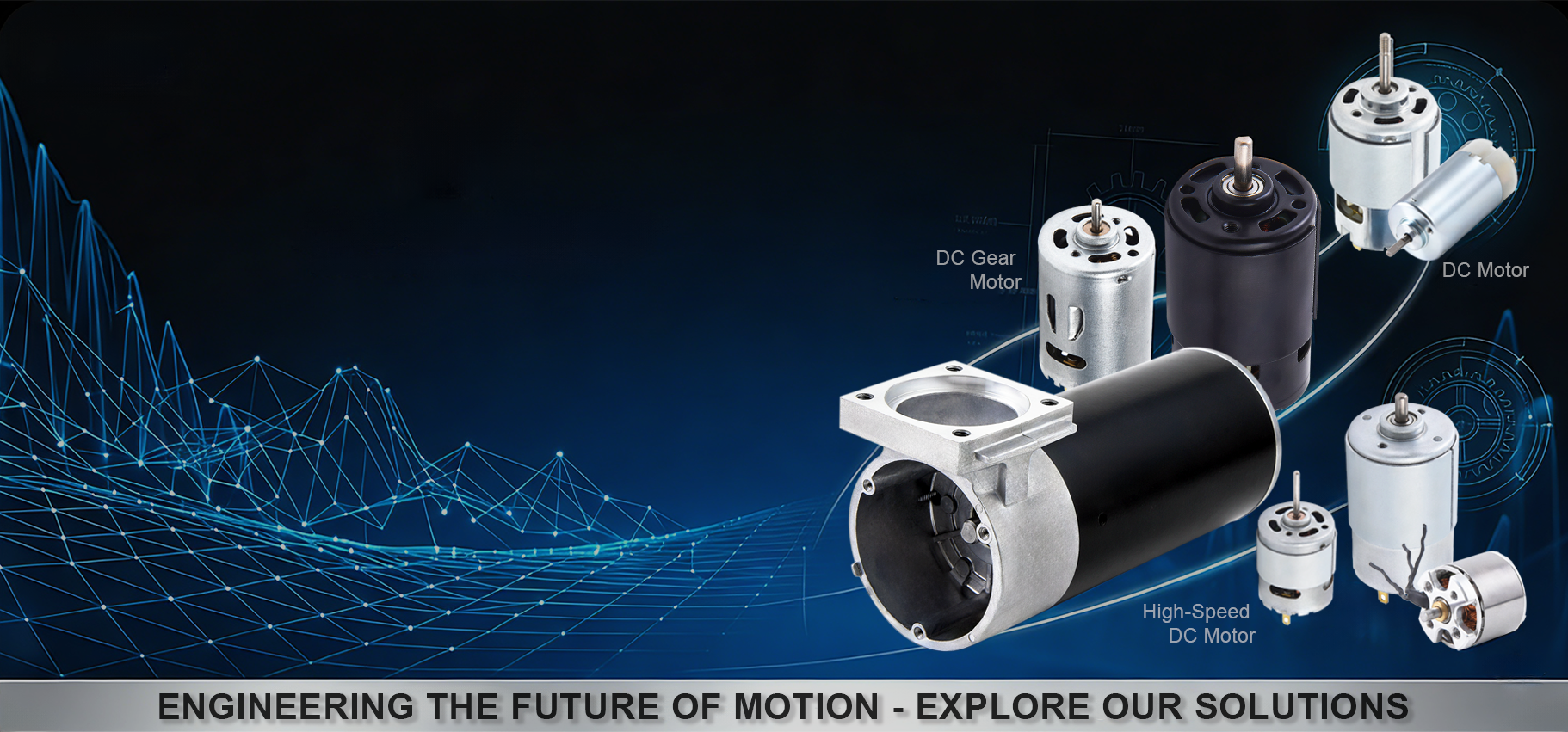
Сосредоточившись на качестве и потребностях клиентов с 1988 года, мы продолжаем предоставлять надежные решения и услуги для долгосрочного партнерства.
Узнайте больше
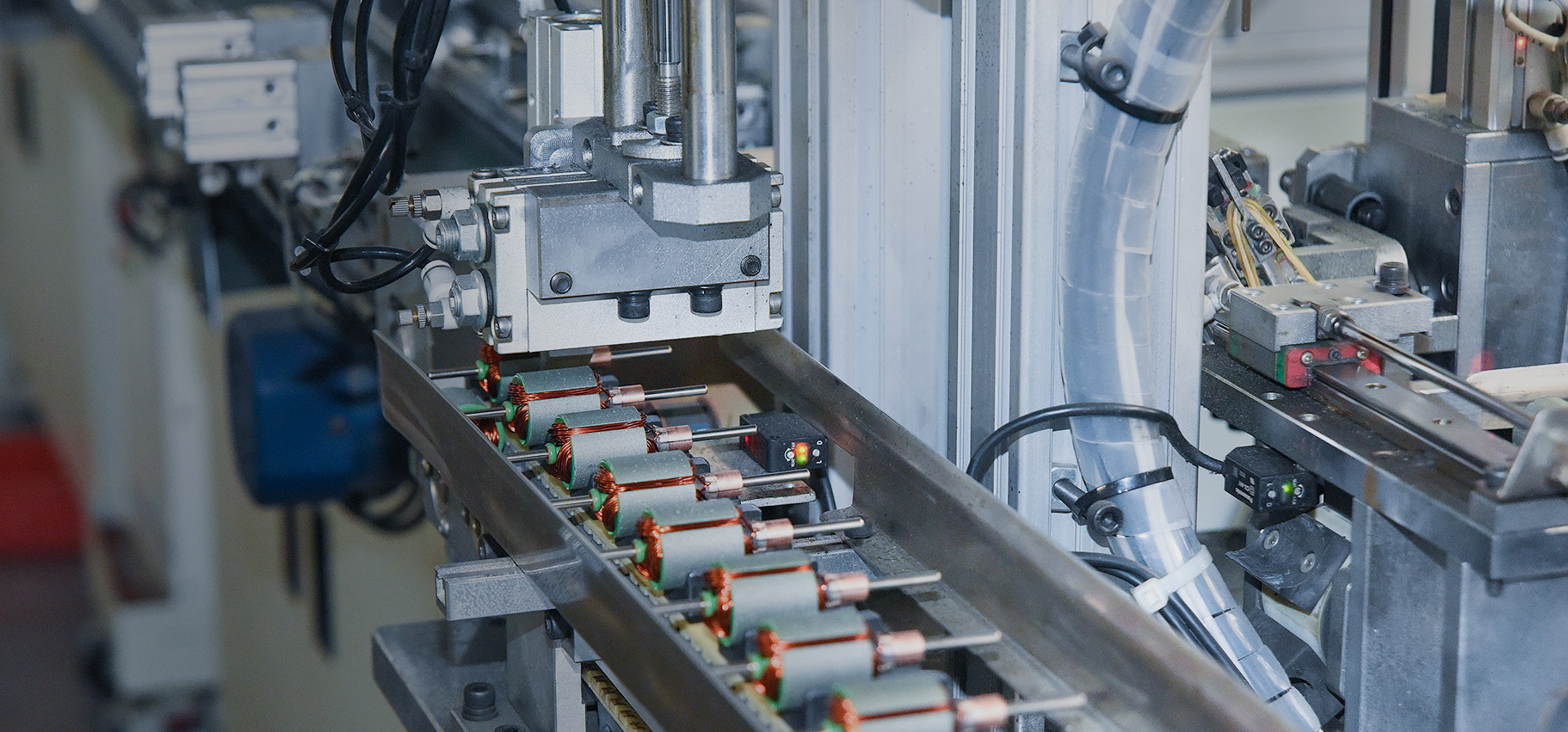
Благодаря точной конструкции и передовым технологиям Хуньян Микромотор(Hongyang Motor) обеспечивает непрерывный источник питания для вашего автоматизированного оборудования.
Узнайте больше
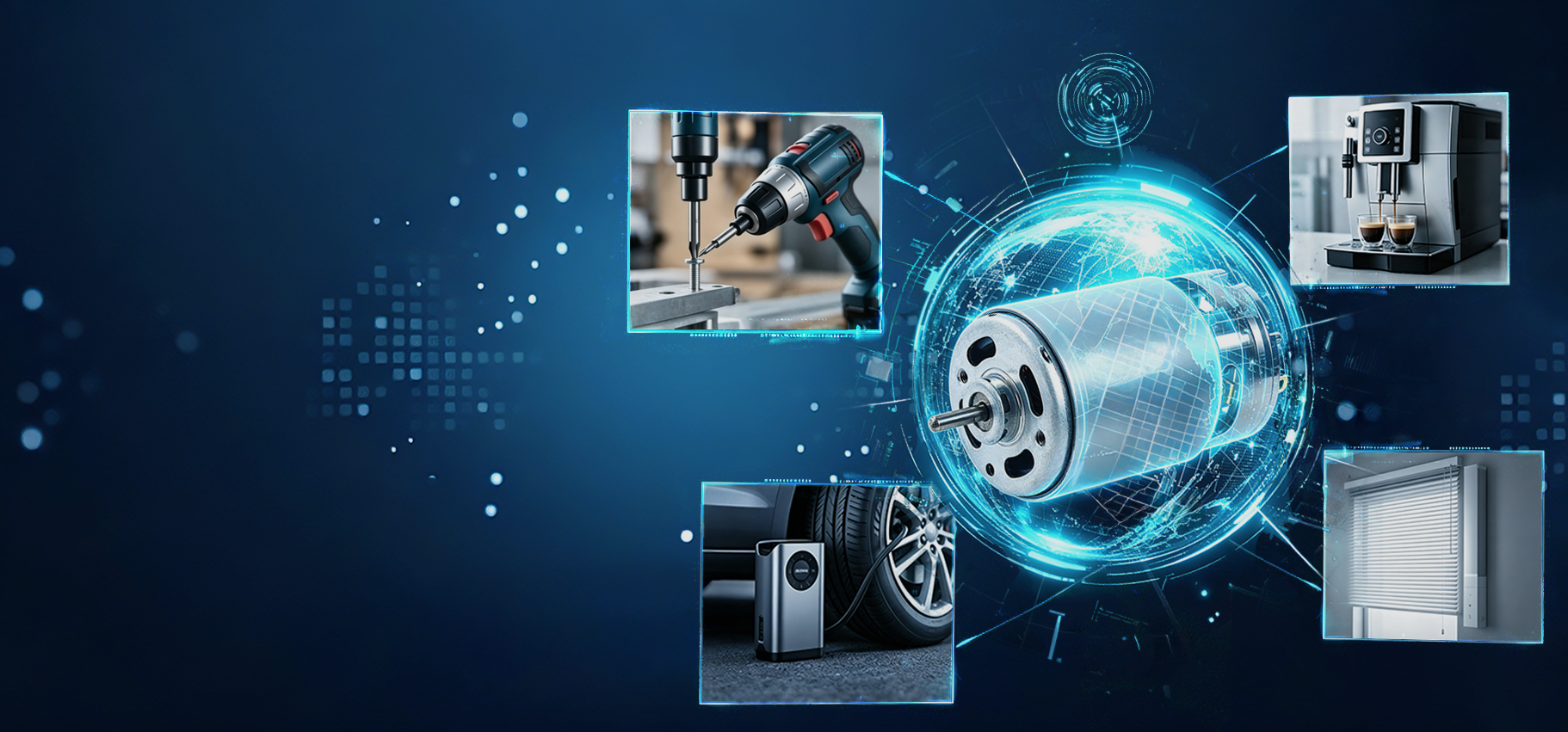
Компания Хуньян Микромотор(Hongyang Motor), благодаря передовым технологиям, обеспечивает постоянные прорывы в отрасли микромоторов.
Узнайте больше
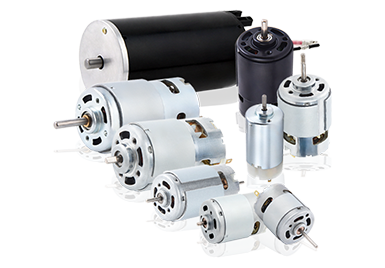
Компания HongYang поставляет постоянномагнитные двигатели постоянного тока с диаметром от 27,7 мм до...
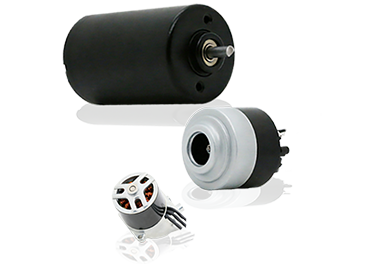
Компания Хунъян(HongYang) производит высокопроизводительные бесщеточные двигатели постоянного тока (...
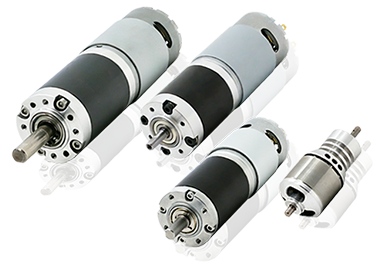
Компания Хунъян(HongYang) предлагает индивидуальные решения для разработки и производства коробок пе...
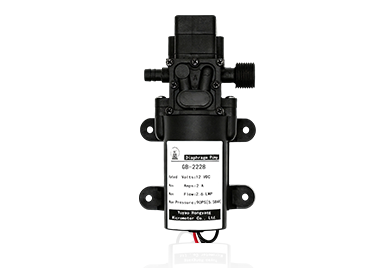
Миниатюрный водяной мембранный насос высокого давления представляет собой высокопроизводительное уст...


 Быстрая доставка Строгий контроль качества Подгонянный дизайн Международные сертификаты Обширный опыт Масштабные производственные мощности

Годы углубленного отраслевого опыта
Площадь компании в квадратных метрах
Линия по производству мастерских
Преданные своему делу умелые сотрудники
 Комплексный завод по производству микродвигателей
Заводская цена ниже, и профессиональные технические инженеры ответят на ваши вопросы при необходимости.
 Богатый опыт в индустрии микромоторов
Более 30 лет опыта производства, полуавтоматическая и эффективная прецизионная поддержка производства.
 Поддержка индивидуального обслуживания OEM и ODM
У нас есть сильная команда НИОКР, способная производить OEM- и ODM-системы, а также предоставлять услуги...
 Полное послепродажное обслуживание
Профессиональная команда внешней торговли, эффективное и продуманное послепродажное обслуживание, 18 часов онлайн.
Мы являемся профессиональным производителем микродвигателей постоянного тока с более чем 30-летним опытом работы.
Компания Хуньян(Hongyang) эксплуатирует высокопроизводительные автоматизированные линии и передовые испытательные системы для токарной обработки, намотки, сборки, балансировки и контроля. Интеллектуальное управление обеспечивает превосходную точность, стабильную производительность и стабильное качество.
Компания Хуньян(Hongyang) внедряет комплексную систему контроля, охватывающую испытания по производительности, долговечности, уровню шума, термостойкости и надежности. Каждый двигатель проходит тщательные испытания перед поставкой — это гарантирует стабильное качество и надежную работу.
Опытная команда НИОКР компании Хуньян(Hongyang) специализируется на разработке инновационных микродвигателей постоянного тока и оптимизации производственных процессов. Обладая экспертизой в механике, электронике и материалах, наши инженеры предлагают высокоэффективные индивидуальные решения, адаптированные к потребностям каждого клиента.
Hongyang применяет экологически чистые материалы и энергоэффективные процессы для снижения потребления ресурсов и выбросов. Мы строго соблюдаем международные экологические стандарты, такие как RoHS и REACH, способствуя экологически устойчивому производству и долгосрочному развитию.
Наш ассортимент продукции охватывает широкий спектр микродвигателей постоянного тока — они активно используются в электроинструментах, насосах, бытовой технике, умных домах, игрушках, канцелярских товарах, автомобильных деталях и других промышленных областях.
Изучите наш опыт, передовые технологии и индивидуальные решения в области микродвигателей постоянного тока.
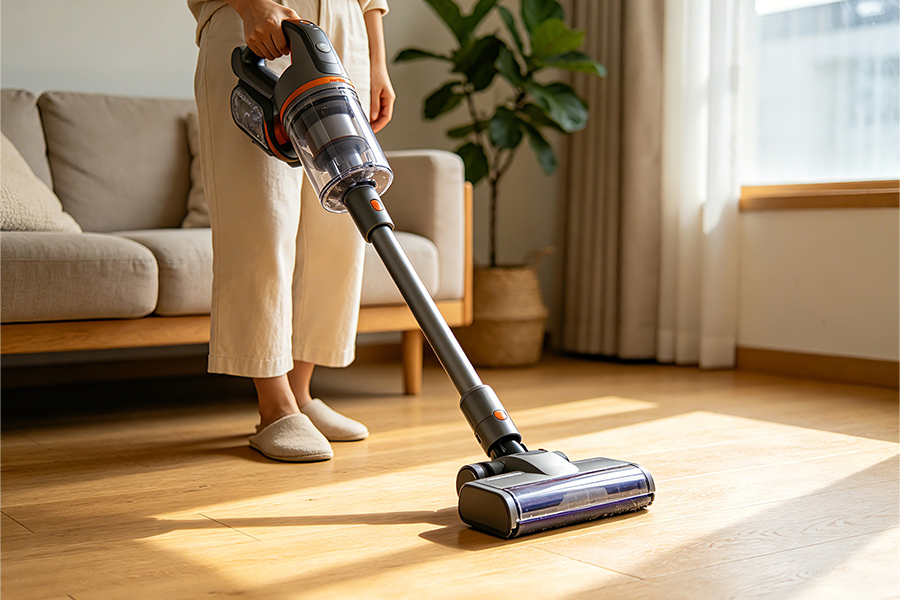
Где-то в ящике лежит маленький двигатель постоянного тока, ожидающий работы, спасенный от сломанной игрушки, ручного вентилятора или старого принтера. Вы прочитали, что он также может работать в обратном направлении как генератор, и теперь хотите знать, действительно ли это так и как это сделать правильно. Короткий ответ: да, и здесь нет никакого подвоха. Двигатель постоянного тока с постоянными магнитами и генератор постоянного тока с постоянными магнитами — это одна и та же машина, описанная только с противоположных концов. Мы производим микродвигатели постоянного тока в Юяо с 1988 года, и вопрос о генераторе возникает постоянно: от студентов, подключающих небольшую ветряную турбину, до инженеров, добавляющих возможность зарядки с помощью ручного запуска. Вот что на самом деле имеет значение. Почему двигатель постоянного тока можно использовать в качестве генератора Преобразование энергии внутри машины постоянного тока симметрично. Пропускайте ток через катушку, находящуюся в магнитном поле, и катушка смещается в сторону, поэтому ротор вращается. Вместо этого поверните тот же самый ротор, и катушка пройдет через поле, магнитный поток, связывающий ее, изменится, и на клеммах появится напряжение. Это закон индукции Фарадея, который действует точно так же, как и в каждом когда-либо построенном генераторе. Что делает коллекторный двигатель постоянного тока таким удобным, так это его коллектор. Внутри якоря наведенное напряжение является переменным, поскольку каждая катушка проходит под северным полюсом, а затем под южным полюсом. Коммутатор переключает соединение с внешним миром точно в нужный момент, поэтому две клеммы сохраняют фиксированную полярность. Это механический выпрямитель, и именно поэтому коллекторный двигатель обеспечивает постоянный ток без единого электронного компонента. Самое приятное то, что одно число выполняет две работы. Константа напряжения, которая показывает, насколько быстро двигатель вращается на вольт, также говорит вам, какое напряжение он производит за один оборот. Двигатель с номинальным напряжением 12 В и частотой вращения 6000 об/мин без нагрузки будет генерировать примерно 12 В, когда что-то другое раскрутит его до 6000 об/мин. Матовый или бесщеточный: что выходит из проводов Обе семьи могут генерировать, но они передают вам разное электричество, и эта разница определяет, сколько работы должна выполнить остальная часть вашей цепи. Коллекторные двигатели постоянного тока выдают постоянный ток Вращайте вал, и на клеммах появляется постоянный ток, а сверху от коммутации идет пульсация. Два провода, больше ничего не требуется, и мультиметр сразу показывает показания. Бесщеточные двигатели постоянного тока обеспечивают трехфазный переменный ток. В бесщеточном двигателе обмотки расположены в статоре, а магниты вращаются, поэтому вращение вала вызывает трехфазное напряжение на выводах статора, трапециевидное в типичном BLDC и синусоидальное в PMSM. Ничто не выпрямляет ее механически, поэтому вам понадобится трехфазный мост плюс сглаживающий конденсатор или контроллер, поддерживающий активное выпрямление, прежде чем эта энергия сможет зарядить батарею. Как ведут себя коллекторные и бесщеточные микродвигатели, когда вы приводите в движение вал, а не клеммы. Аспект Матовый двигатель постоянного тока Бесщеточный двигатель постоянного тока Выход на терминалах постоянный ток с пульсацией Трехфазный переменный ток Исправление Встроенный, через коммутатор и щетки Требуется внешний мостовой выпрямитель Напряжение в зависимости от скорости Почти линейный Почти линейный Дополнительные детали для выхода постоянного тока Сглаживающий конденсатор, возможно блокировочный диод. Трехфазный выпрямитель и конденсатор или рекуперативный регулятор Основная точка износа Щетки и коллектор Электроника, а не щетки Типичная посадка Простое создание своими руками и недорогая генерация Более высокая эффективность, герметичность или длительный срок службы Превращение двигателя в генератор, шаг за шагом Большинство людей начинают с любого двигателя, который уже есть на столе, и это совершенно хороший подход. Небольшие коллекторные двигатели, используемые в игрушках и портативных приборах, являются классическим выбором для первого эксперимента с ветряной турбиной или ручным заводным механизмом, поскольку они содержат постоянные магниты и выдают считываемое напряжение всего при нескольких сотнях об/мин. Высокоскоростной коллекторный двигатель постоянного тока RS-977 для газонокосилок Коллекторный двигатель с постоянными магнитами, обеспечивающий высокую скорость и стабильную нагрузочную способность, что актуально при согласовании напряжения с частотой вращения в небольших сборках. Просмотреть продукт → Начните с правильной машины. Он должен иметь постоянные магниты. Подпадает под это требование щеточный двигатель с постоянными магнитами от игрушки, вентилятора или принтера, а также бесщеточный двигатель. Индукционные и раневые машины работают по-разному. Отключите электронику. Если двигатель поставляется с платой драйвера, регулятором скорости или аккумулятором, изолируйте его. Вам нужны необработанные клеммы двигателя. Соедините вал с первичным двигателем. Подойдет ручная рукоятка, гребной винт, водяное колесо или турбина, если они устойчиво вращают вал. Измерьте напряжение холостого хода. Установите мультиметр на напряжение постоянного тока для коллекторного двигателя и напряжение переменного тока для бесщеточного двигателя, затем вращайте вручную и наблюдайте, как показания соответствуют вашей скорости. Обратите внимание на вольты на обороты. Вращайте с известной скоростью, записывайте напряжение, и у вас будет константа, необходимая для определения всего остального. Исправьте при необходимости. Трехфазный мост и конденсатор для бесщеточного двигателя; конденсатора на клеммах обычно достаточно для щеточного, плюс блокировочный диод, если питаете аккумулятор. Добавьте нагрузку и повторите измерение. Ожидайте падения напряжения, потому что ток, протекающий через сопротивление обмотки, всегда стоит вам вольт. Следите за нагревом и искрением щеток. Если двигатель перегревается, вы потребляете больше тока, чем он может отдать. Какое напряжение и мощность вы реально можете получить? Напряжение масштабируется со скоростью почти линейно, что упрощает арифметику. Разделите номинальное напряжение на скорость холостого хода, и вы получите постоянную генератора. Для типичного микродвигателя эта константа колеблется где-то между одним и тремя вольтами на тысячу об/мин, поэтому ленивая ручная рукоятка выдает один или два вольта, в то время как турбина, вращающаяся со скоростью несколько тысяч об/мин, может достичь номинального напряжения двигателя. Напряжение холостого хода — оптимистическое число. Как только ток течет, напряжение на клеммах падает на величину тока, умноженную на сопротивление обмотки. В небольшом двигателе сопротивление якоря может составлять несколько Ом, поэтому потребление одного усилителя может стоить вам несколько вольт. Измерьте еще раз с подключенной нагрузкой; это цифра, которую на самом деле видит ваша схема. Мощность следует за крутящим моментом. Ток, вырабатываемый генератором, пропорционален крутящему моменту, приложенному к валу, поэтому слабый первичный двигатель на низкой скорости дает напряжение практически без тока. Грубо говоря, небольшой коллекторный двигатель, работающий на приличной части своей номинальной скорости, возвращает где-то от половины до трех четвертей вложенной вами механической мощности, а остальное берет на себя сопротивление обмотки, падение щеток, трение подшипников и потери в железе. Выбор двигателя для генератора Если вы выбираете двигатель специально для генерации, обратите внимание на номер на этикетке и вместо этого проверьте несколько характеристик. Постоянные магниты, без исключения. Ферритовые или редкоземельные магниты бесплатно создают поле возбуждения, что и делает возможной генерацию в такой маленькой машине. Низкое сопротивление обмотки, поэтому меньшая механическая нагрузка превращается в тепло в меди. Низкий ток холостого хода и плавное зацепление, поскольку гладкие якоря начинают вращаться с меньшими усилиями, когда вашим основным двигателем является легкий ветерок или ручная рукоятка. Скорость, подходящая для вашего вождения. Поскольку напряжение увеличивается с увеличением оборотов, более быстрому двигателю требуется меньше оборотов для достижения полезной мощности. Коробка передач, используется бережно. При нормальной работе мотор-редуктор меняет скорость на крутящий момент; в генерации вы можете запустить все наоборот, позволяя медленному водяному колесу вращать вал двигателя намного быстрее, пока вы принимаете дополнительное трение и потери. Двигатели, которые легко вращаются и потребляют небольшой ток без нагрузки, как правило, являются самыми дружелюбными генераторами, и это одна из причин, по которой мы держим в каталоге энергосберегающие коллекторные конструкции. Они ведут себя предсказуемо, когда энергия течет в другую сторону, а их меньшие потери оставляют большую часть вашего усилия в цепи, а не в обмотках. RS-540 Щеточный двигатель постоянного тока с длительным сроком службы для пылесосов Надежный коллекторный двигатель с постоянными магнитами с предсказуемым поведением при низкой нагрузке, полезный там, где важен длительный срок службы и двунаправленный поток энергии. Просмотреть продукт → Ошибки, которые застают людей врасплох Ожидаем, что любой мотор будет работать. Асинхронный двигатель с экранированным полюсом или трехфазный двигатель не будет производить полезную мощность без внешнего возбуждения. Вращение слишком медленно. Напряжение пропорционально скорости, поэтому неторопливое вращение практически ничего не дает. Забыл починить бесщеточный мотор. Трехфазный переменный ток, подаваемый на клеммы аккумулятора, — хороший способ что-то повредить. Оставив оригинальный контроллер подключенным. Обратная подача драйвера через собственный выходной каскад редко заканчивается хорошо. Игнорирование износа щеток. Щетки являются расходными материалами, и непрерывная работа генератора для них тяжелее, чем периодическое использование двигателя. Перегрузка первичного двигателя. Ток пропорционален крутящему моменту, поэтому сильно нагруженный генератор может остановить приводящую его турбину. Доверие к напряжению холостого хода. Это не рабочее напряжение; прежде чем приступать к расчету, измерьте нагрузку под нагрузкой. Где двигатель как генератор уже встречается в реальных продуктах Рекуперативное торможение представляет собой двигатель-генератор в серийном исполнении. Когда электромобиль замедляется, когда аккумуляторная дрель отпускает курок и когда рука робота замедляется, контроллер позволяет машине действовать как тормоз и возвращает восстановленную энергию обратно в аккумулятор. В робототехнике это обычное дело, и те же суставы, которые приводят в движение промышленные роботы мы поставляем двигатели, которые часть каждого цикла тратят на выработку, а не на потребление. Для подобных применений необходимы двигатели, которые выдерживают тысячи изменений направления без резких изменений, а именно для этого созданы плавно работающие щеточные конструкции в нашей линейке роботов. Коллекторный двигатель постоянного тока RS-785SL для очистителей швов Малошумный коллекторный двигатель с постоянными магнитами, рассчитанный на многократное изменение направления, подходящий для экспериментов с инструментами и небольшими генераторами, требующими надежной мощности. Просмотреть продукт → В меньших масштабах генерация проявляется в ручных фонариках и радиоприемниках, заводных фонарях, небольших ветряных турбинах, микрогидроустановках, велотренажерах, а также в сборе энергии от дверей, турникетов и торговых механизмов. Ни для одного из них не требуется специальный генератор. Им нужен двигатель с постоянными магнитами, разумное передаточное число или согласование скорости, а также выпрямитель, выходной сигнал которого должен быть постоянным. Последнее слово, прежде чем вы раскрутите этот вал Мы производим микродвигатели постоянного тока с 1988 года, а это означает, что мы наблюдали, как очень многие из них оказывались на генерирующей стороне цепи, иногда намеренно, а иногда случайно. Если вы работаете над продуктом, в котором один двигатель должен приводить в движение и генерировать энергию, сообщите нам напряжение, скорость, крутящий момент и рабочий цикл, которые вы имеете в виду, и мы поможем вам сузить варианты, будь то стандартная коллекторная модель, бесщеточная конструкция или редуктор. Если вы хотите сначала увидеть, как эти двигатели ведут себя в реальном оборудовании, наш обзор Наиболее распространенные применения щеточных двигателей постоянного тока это хорошее место для начала. .article-section table{display: table!important;border-collapse:collapse;}.article-section thead{display: table-header-group!important;}.article-section tbody{display: table-row-group!important;}.article-section tr{display: table-row!important;}.article-section th{display: table-cell!important;font-weight:bold;border:1px solid #cccccc;padding:8px;}.article-section td{display: table-cell!important;border:1px solid #cccccc;padding:8px;text-align:center;}.article-section caption{caption-side:bottom;font-size:16px;margin-bottom:12px;font-style:italic;color:#808080;}.article-section ol{margin-bottom:12px;list-style-type:decimal;list-style-position:inside;padding-left:5px;}.article-section ul{margin-bottom:12px;list-style-type:disc;list-style-position:inside;padding-left:5px;}.article-section li{list-style:inherit;font-size:16px;margin-bottom:6px;}.article-section h2{font-size:22px;font-weight:bold;text-align:left;margin-bottom:12px!important;}.article-section h3{font-size:16px;font-weight:bold;text-align:left;margin-bottom:12px;}.article-section p{font-size:16px!important;margin-bottom:12px;} .product-card{display:block;margin:20px 0;border:1px solid #e5e7eb;border-radius:10px;overflow:hidden;font-style:normal;background:#fff;box-shadow:0 0 5px rgba(31,41,55,.08)}.pc-inner{display:flex;text-decoration:none;color:inherit;align-items:center;min-height:148px}.product-card .pc-img{width:auto!important;min-width:0!important;max-width:min(36%,240px)!important;height:auto!important;min-height:0!important;max-height:148px!important;aspect-ratio:auto!important;object-fit:contain!important;flex:0 0 auto;display:block;align-self:center}.pc-body{padding:12px 16px;flex:1;min-width:0;display:flex;flex-direction:column;align-self:stretch;justify-content:center}.pc-title{display:block;font-size:15px;font-weight:600;color:#111;margin:0 0 6px;line-height:1.4}.pc-desc{display:-webkit-box;font-size:13px;color:#6b7280;margin:0 0 8px;line-height:1.5;overflow:hidden;-webkit-line-clamp:2;line-clamp:2;-webkit-box-orient:vertical}.pc-cta{display:block;font-size:13px;font-weight:600;color:inherit;margin-top:auto}.pc-inner:hover .pc-title{text-decoration:underline} .article-section a:not(.pc-inner),article a:not(.pc-inner){color:inherit}.pc-cta{color:inherit!important}
Лишь немногие компоненты изменили работу небольших электрических машин так же тихо и эффективно, как бесщеточный двигатель постоянного тока. Разрабатываете ли вы робота, умный дом или медицинское устройство, вы, вероятно, задумывались о технологии BLDC. Но то, как работает BLDC, не всегда очевидно, особенно если вы имеете опыт работы с традиционными коллекторными двигателями. В этом руководстве простыми словами объясняется принцип работы, обсуждается роль контроллера и подчеркивается, что делает бесщеточные двигатели постоянного тока такими ценными в реальных продуктах. Что такое бесщеточный двигатель постоянного тока? Бесщеточный двигатель постоянного тока, или двигатель BLDC, представляет собой синхронный электродвигатель, приводимый в движение постоянным током. В обычном коллекторном двигателе постоянного тока ротор несет витые обмотки, а угольные щетки трутся о коллектор, создавая ток. В двигателе BLDC расположение обратное: на роторе установлены постоянные магниты, а статор выполнен из медных обмоток. Поскольку в нем нет изнашивающихся щеток и коллектора, вызывающего дугу, двигатель работает чище и служит намного дольше. Как работает BLDC: основной принцип Чтобы понять, как работает BLDC, подумайте о магнитном притяжении. Ротор представляет собой постоянный магнит (или набор магнитов), а обмотки статора ведут себя как электромагниты. Когда ток протекает через обмотку, он создает магнитный полюс, который может притягивать или отталкивать ротор. Переключая ток от одной обмотки к другой в правильном порядке, вы создаете вращающееся магнитное поле, которое тянет за собой ротор. Шаг 1: Статор создает вращающееся магнитное поле. Вместо использования механических щеток для переключения тока в двигателе BLDC используется электронный контроллер, который последовательно подает питание на обмотки статора. В типичном трехфазном двигателе BLDC контроллер подает напряжение одновременно на две из трех обмоток, оставляя третью обмотку обесточенной. Возникающее магнитное поле распространяется вокруг статора, всегда опережая ротор. Шаг 2: Ротор с постоянным магнитом следует за полем. Магниты ротора, естественно, пытаются выровняться с полем статора. Поскольку контроллер постоянно перемещает положение поля, ротор продолжает следовать за ним. Угловая разница между полем ротора и статора представляет собой угол крутящего момента, и он напрямую влияет на то, какой крутящий момент создает двигатель. Шаг 3. Электронная коммутация заменяет механические щетки. Коммутация – это процесс изменения направления тока в обмотках. В щеточном двигателе это осуществляется механически с помощью коллектора и угольных щеток. В двигателе BLDC это осуществляется электроникой с помощью силовых транзисторов, таких как MOSFET. Вот почему двигатели BLDC также называют двигателями с электронной коммутацией. Шаг 4. Обнаружение положения ротора обеспечивает синхронизацию всего Контроллеру необходимо знать, где находится ротор, прежде чем он сможет подать питание на правильную обмотку. Во многих двигателях BLDC используются датчики Холла, установленные в статоре. Эти датчики обнаруживают магнитное поле ротора и отправляют сигналы на контроллер. Другие конструкции являются бездатчиковыми: они оценивают положение ротора по противо-ЭДС, генерируемой в обесточенной обмотке. Шаг 5. Непрерывная обратная связь обеспечивает плавное вращение. В двигателе на базе датчика контроллер считывает состояния датчика Холла и обновляет последовательность обмотки много раз за оборот. Такая коммутация с обратной связью обеспечивает постоянный крутящий момент, низкий уровень шума и отсутствие искрения. Это также обеспечивает точный контроль скорости двигателя в широком диапазоне. Что делает ESC? Контроллер часто называют ESC или электронным регулятором скорости, особенно в дронах и любительском оборудовании. В промышленных приложениях его обычно называют драйвером двигателя BLDC. Каким бы ни было название, ESC выполняет три задачи: запускает двигатель, переключает обмотки в правильном порядке и регулирует скорость и крутящий момент. Скорость обычно контролируется с помощью широтно-импульсной модуляции (ШИМ). ESC быстро включает и выключает напряжение постоянного тока, а среднее напряжение, подаваемое на двигатель, определяет его скорость. В то же время ESC контролирует положение ротора и ток, что позволяет защитить двигатель от перегрузки и опрокидывания. Коллекторные и бесщеточные двигатели постоянного тока Изучение того, как работает BLDC, помогает понять, почему он стал предпочтительным вариантом во многих новых конструкциях. В таблице ниже приведены основные различия между коллекторными и бесщеточными двигателями постоянного тока в микродвигателях. Сравнение коллекторных и бесщеточных двигателей постоянного тока Особенность Матовый двигатель постоянного тока Бесщеточный двигатель постоянного тока коммутация Механический через щетки и коммутатор. Электронный через контроллер Конструкция ротора Обмотки на роторе Постоянные магниты на роторе Конструкция статора Магниты или статор с обмоткой Медные обмотки статора Техническое обслуживание Щетки требуют периодической замены Требуется минимальное обслуживание Шум и электромагнитные помехи Дугообразование в щетках может создавать электромагнитные помехи. Более тихий, низкий электрический шум Контроль скорости Простое управление напряжением Требуется ESC или драйвер Эффективность Умеренный Высшее Типичный срок службы Укорочена из-за износа щеток. дольше Почему двигатели BLDC используются в реальных приложениях Сочетание высокой эффективности, длительного срока службы и контролируемого крутящего момента делает двигатели BLDC естественным выбором для продуктов, которые должны работать непрерывно или работать с высокой точностью. В нашей повседневной работе мы видим, как дизайнеры выбирают технологию BLDC для всего: от привода дронов до промышленной автоматизации. Многие промышленные роботы полагайтесь на плавный низкоскоростной крутящий момент бесщеточных двигателей для точного позиционирования рычагов и захватов. Высокая эффективность пылесосы используйте двигатели BLDC для вращения на высокой скорости, производя при этом меньше тепла и меньше шума. Практические преимущества легко увидеть: Более высокая эффективность означает меньше потерь тепла и увеличение срока службы батареи. Отсутствие щеток означает меньшее обслуживание и отсутствие угольной пыли внутри двигателя. Электронная коммутация обеспечивает плавное ускорение и точное регулирование скорости. Для легких устройств с высокой тягой, таких как многороторные дроны, важны плотность мощности и быстрый отклик двигателя. Бесщеточный двигатель, предназначенный для этой задачи, должен сбалансировать сопротивление статора, класс магнита и механический баланс для обеспечения эффективной тяги. Выбор подходящего двигателя BLDC Как только вы поймете принцип работы, выбор двигателя станет вопросом соответствия электрическим, механическим и экологическим требованиям. Начните с номинального напряжения и тока, доступных в вашей системе. Затем посмотрите на номинал KV двигателя, который связывает скорость с напряжением, и его константу крутящего момента, которая связывает ток с крутящим моментом. Сравнивая варианты двигателей BLDC, выполните простой контрольный список: Какое напряжение и ток доступны в изделии? Какой продолжительный и пиковый крутящий момент необходим при рабочей скорости? Нужны ли двигателю датчики Холла для обеспечения точности на низких скоростях или приемлемо управление без датчиков? Какие существуют механические и экологические ограничения, такие как размер, вес и температура? Двигатели на основе датчиков предпочтительны для робототехники, медицинских устройств и других приложений, требующих точного позиционирования или запуска под нагрузкой. Двигатели BLDC без датчиков часто используются в вентиляторах и насосах, где нагрузка предсказуема. Если вы разрабатываете новый продукт, перед выбором двигателя стоит обсудить рабочий цикл, температуру окружающей среды и ожидаемый срок службы. Производитель, имеющий опыт работы с микродвигателями, может помочь вам выбрать правильное сечение провода, материал магнита и систему подшипников для вашего конкретного применения. Заключение Принцип работы BLDC можно описать одним предложением: электронный контроллер создает вращающееся магнитное поле в статоре, а ротор с постоянными магнитами следует за этим полем, поскольку контроллер продолжает коммутировать обмотки в правильной последовательности. Этот простой принцип исключает использование щеток, повышает эффективность и дает инженерам возможность точно контролировать скорость и крутящий момент. Как производитель микродвигателей с более чем тридцатилетним опытом производства, мы призываем продуктовые группы оценивать технологию BLDC всякий раз, когда важны надежность, энергоэффективность и чистота эксплуатации. Начните с принципа работы, просмотрите профиль нагрузки и выберите партнера по двигателю, который разбирается в деталях. .article-section table{display: table!important;}.article-section thead{display: table-header-group!important;}.article-section tbody{display: table-row-group!important;}.article-section tr{display: table-row!important;}.article-section th{display: table-cell!important;}.article-section td{display: table-cell!important;}.article-section table caption{caption-side:bottom;font-size:16px;margin-bottom:12px;font-style:italic;color:#808080;}.article-section th{font-weight:bold;border:1px solid #cccccc;padding:8px;}.article-section td{border:1px solid #cccccc;padding:8px;text-align: center;}.article-section ol{margin-bottom:12px;list-style-type:decimal;list-style-position:inside;padding-left:0;}.article-section ul{margin-bottom:12px;list-style-type:disc;list-style-position:inside;}.article-section li{list-style:inherit;font-size:16px;margin-bottom:6px;}.article-section h2{font-size:22px;font-weight:bold;text-align:left;margin-bottom:12px!important;}.article-section h3{font-size:16px;font-weight:bold;text-align:left;margin-bottom:12px;}.article-section p{font-size:16px!important;margin-bottom:12px;} .article-section a:not(.pc-inner),article a:not(.pc-inner){color:inherit}.pc-cta{color:inherit!important}
Если вы когда-нибудь спрашивали, как работает контроллер двигателя BLDC, вы не одиноки. За десятилетия производства микродвигателей мы видели, как многие хорошо спроектированные двигатели выходили из строя просто потому, что контроллеру не уделялось достаточного внимания. Бесщеточный двигатель постоянного тока — командный игрок: ротор, статор, датчики и электроника должны работать в одном ритме, а контроллер — тот, кто поддерживает ритм. Что на самом деле делает контроллер двигателя BLDC? Двигатель BLDC имеет постоянные магниты на роторе и набор катушек на статоре. В отличие от коллекторного двигателя здесь нет механического коммутатора для переключения тока. Контроллер должен выполнять эту работу в электронном виде, и он должен делать это точно в нужный момент относительно положения ротора. Говоря простым языком, контроллер создает вращающееся магнитное поле. Это достигается с помощью преобразователя постоянного тока в трехфазный, определения положения ротора, электронной коммутации, регулирования и защиты от неисправностей. Вместе эти функции определяют время и последовательность импульсов тока, посылаемых на обмотки статора. Это время является сутью работы контроллера двигателя BLDC. Датчики Холла и шестиступенчатая коммутация Самый простой способ узнать, куда направлен ротор, — использовать датчики Холла. Эти небольшие магнитные переключатели установлены в двигателе и выдают логический сигнал, когда магнит ротора проходит мимо них. Три датчика Холла делят один электрический оборот на шесть секторов. Шестиступенчатая коммутация, также называемая трапециевидным управлением, является классическим методом управления. На каждом этапе контроллер подает питание на две из трех фаз: одна поднимается вверх, другая — вниз, а третья остается открытой. Каждые 60 электрических градусов контроллер переходит к следующему сектору на основе шаблона датчика Холла. Типичные состояния датчика Холла, используемые шестиступенчатым контроллером BLDC. Состояние зала (A, B, C) Сектор Фазы проведения 001 1 А/Б- 011 2 А/С- 010 3 Б/С- 110 4 Б/А- 100 5 С/А- 101 6 С/Б- Эта простая таблица является практическим напоминанием: как только вы поймете этап электронной коммутации, большинство проблем с проводкой и запуском станет легче диагностировать. Бездатчиковое управление противо-ЭДС Датчики Холла увеличивают стоимость и требуют дополнительных проводов, поэтому многие контроллеры используют бездатчиковое управление. Сам двигатель генерирует напряжение противо-ЭДС при вращении ротора. Контроллер измеряет пересечение нуля этой противо-ЭДС в невозбуждаемой фазе, чтобы определить, где находится ротор. Пересечение нуля обычно не является моментом коммутации. При шестиступенчатом управлении контроллер выдерживает около 30 электрических градусов после перехода через ноль, а затем переключается. Точный угол можно настроить для повышения эффективности или более высокого крутящего момента. Бездатчиковое управление имеет одно известное ограничение: при нулевой скорости противоЭДС отсутствует. Контроллер должен сначала выровнять ротор с помощью фиксированного импульса напряжения, затем разогнать двигатель с помощью синхронизированной или разомкнутой коммутации до тех пор, пока противо-ЭДС не станет достаточно сильной для считывания. Для нагрузок, которым требуется полный крутящий момент с места, лучшим выбором часто является версия с датчиком Холла. ШИМ, мертвое время и контроль тока Коммутация сообщает контроллеру, какую фазу подключать, а широтно-импульсная модуляция сообщает, какое напряжение подавать. Прерывая напряжение шины постоянного тока с фиксированной частотой и изменяя рабочий цикл, контроллер изменяет среднее напряжение, воспринимаемое обмоткой. ШИМ не устанавливает скорость напрямую. Он устанавливает управляющее напряжение, а скорость двигателя вместе с нагрузкой определяет конечную рабочую точку. Вот почему контроллер BLDC также контролирует ток. Если нагрузка увеличивается, ток растет, и хороший контроллер ограничивает его до перегрева обмоток. Одна деталь, которая особенно важна при высоких частотах ШИМ, — это мертвое время. Переключатели верхнего и нижнего плеча в одной и той же ветви инвертора никогда не должны проводить ток одновременно. Контроллер вводит короткий интервал гашения между событиями переключения, чтобы предотвратить прострел. Контуры управления в современном контроллере BLDC В полном приводе контроллер обычно выполняет несколько вложенных циклов. Контур тока или крутящего момента является самым внутренним контуром. Он измеряет фазный ток и регулирует рабочий цикл ШИМ в соответствии с командой крутящего момента. Контур скорости сравнивает измеренную скорость с целевой скоростью и выдает задание крутящего момента. Контур положения используется в сервоприводах, таких как промышленные роботы . Это дает контуру скорости ошибку положения, которую необходимо исправить. Цикл запуска отвечает за выравнивание, линейное изменение в разомкнутом контуре и переход к бездатчиковому режиму в замкнутом контуре. Эти контуры преследуют одну цель: поддерживать совместную работу полей статора и ротора, чтобы двигатель создавал плавный и эффективный крутящий момент. Синусоидальное управление и полеориентированное управление Шестиступенчатое управление простое и недорогое, но оно создает пульсации крутящего момента и шум, поскольку ток переключается резко. Два более гладких варианта заслуживают внимания. Синусоидальное управление постепенно изменяет фазные напряжения, делая ток статора более синусоидальным. Полево-ориентированное управление, иногда называемое FOC, идет дальше: оно преобразует трехфазные токи в две составляющие: одну, связанную с крутящим моментом, и другую, связанную с магнитным потоком, и контролирует их независимо. FOC обеспечивает очень плавную работу на низких скоростях, тихую акустику и быстрый динамический отклик. Для многих электрические вентиляторы и насосных установках, шестиступенчатая коробка по-прежнему приемлема. Но когда важны шум или эффективность, стратегия более производительного контроллера может иметь большее значение, чем любое изменение в самом двигателе. Подбор контроллера к вашему двигателю Даже идеальный алгоритм управления потерпит неудачу, если аппаратные ограничения неверны. Вот основные параметры, которые нужно проверить: Номинальное напряжение и максимальное рабочее напряжение контроллера. Номинальные значения непрерывного и пикового тока, включая ток опрокидывания. Фазовое сопротивление и индуктивность, которые влияют на скорость нарастания тока. Выравнивание датчика Холла для сенсорного управления. Частота ШИМ и мертвое время, особенно для двигателей с низкой индуктивностью. Функции защиты, такие как перегрузка по току, перегрев и отключение при пониженном напряжении. По нашему опыту, выбор двигателя и контроллера как согласованного комплекта экономит недели отладки. Двигатель, предназначенный для одного типа контроллера, может вести себя совершенно по-разному с другим. Практическое тестирование и устранение неполадок Когда двигатель BLDC дергается, перегревается или теряет синхронизацию, неисправность часто связана с настройкой контроллера, а не с двигателем. Короткая процедура тестирования помогает. Измерьте сопротивление постоянного тока между каждой парой выводов двигателя. Три показания должны быть примерно сбалансированы. Медленно вращайте ротор и запишите последовательность действий датчика Холла. Он должен соответствовать ожидаемому шаблону из шести секторов. Наблюдайте за фазным током с помощью осциллографа и токового пробника. Проверьте чистоту трапециевидной или синусоидальной формы сигнала. Запустите двигатель без нагрузки, а затем под нагрузкой. Контроллер должен поддерживать скорость без чрезмерного тока. Если двигатель дергается и не запускается, проверьте проводку Холла и рампу запуска. Если он теряет синхронизацию под нагрузкой, ищите провалы напряжения питания или неправильный опережение синхронизации. Если он перегревается, уменьшите ограничение тока, отрегулируйте частоту ШИМ или улучшите охлаждение. От нашей мастерской к вашему продукту За более чем 30 лет производства микродвигателей мы поняли, что поведение контроллера является частью конструкции двигателя. Контроллер необходимо выбирать с той же тщательностью, что и калибр провода, класс магнита и систему подшипников. Когда вы объединяете хорошо заведенный двигатель с правильно настроенным электронным контроллером, вы получаете продукт, который кажется надежным и работает тихо. Хорошим примером является наш компактный бесщеточный двигатель для дронов. Он естественным образом сочетается с бездатчиковым контроллером, который может обеспечить быструю коммутацию и жесткие ограничения по току. Двигатель и контроллер должны электрически взаимодействовать, и мы заботимся о том, чтобы соединение было максимально простым. Если вы проектируете насос, вентилятор, робота или инструмент, помните, что контроллер — это мозг системы. Понимание того, как работает контроллер двигателя BLDC, поможет вам задать правильные вопросы, выбрать правильный двигатель и вывести на рынок более надежный продукт. .article-section table{display: table!important;}.article-section thead{display: table-header-group!important;}.article-section tbody{display: table-row-group!important;}.article-section tr{display: table-row!important;}.article-section th{display: table-cell!important;}.article-section td{display: table-cell!important;}.article-section caption{caption-side:bottom;font-size:16px;margin-bottom:12px;font-style:italic;color:#808080;}.article-section th{font-weight:bold;border:1px solid #cccccc;padding:8px;}.article-section td{border:1px solid #cccccc;padding:8px;text-align:center;}.article-section ol{margin-bottom:12px;list-style-type:decimal;list-style-position:inside;padding-left:0;}.article-section ul{margin-bottom:12px;list-style-type:disc;list-style-position:inside;}.article-section li{list-style:inherit;font-size:16px;margin-bottom:6px;}.article-section h2{font-size:22px;font-weight:bold;text-align:left;margin-bottom:12px!important;}.article-section h3{font-size:16px;font-weight:bold;text-align:left;margin-bottom:12px;}.article-section p{font-size:16px!important;margin-bottom:12px;} .article-section a:not(.pc-inner),article a:not(.pc-inner){color:inherit}.pc-cta{color:inherit!important}
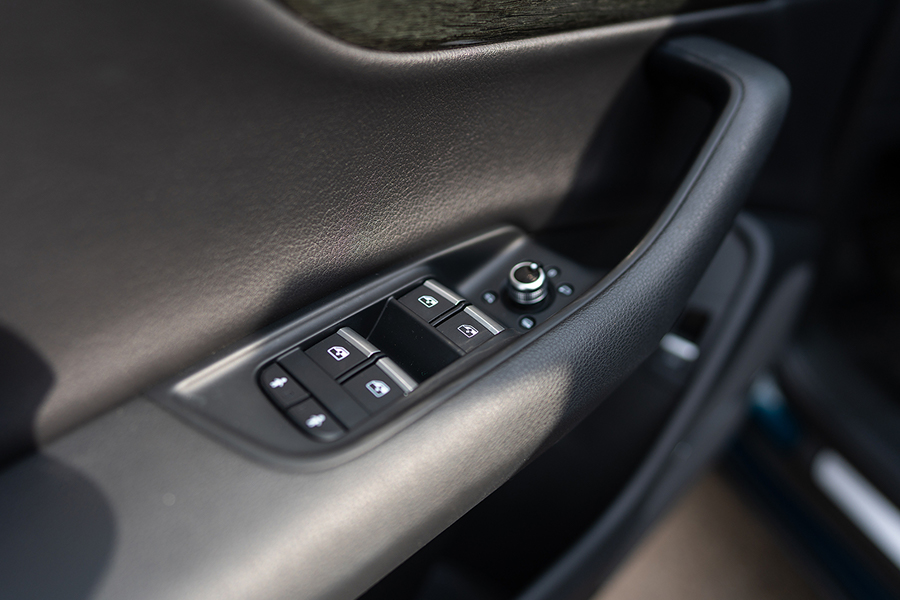
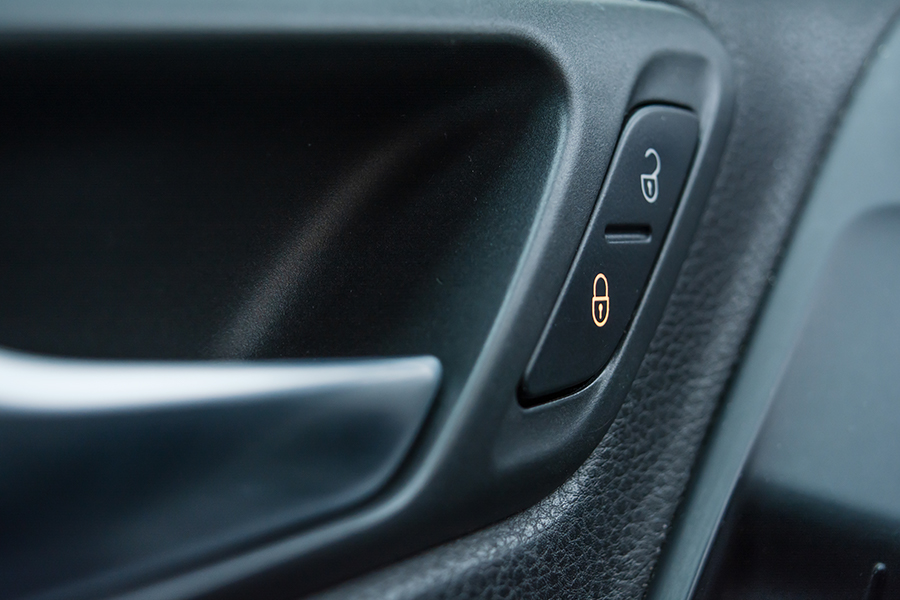
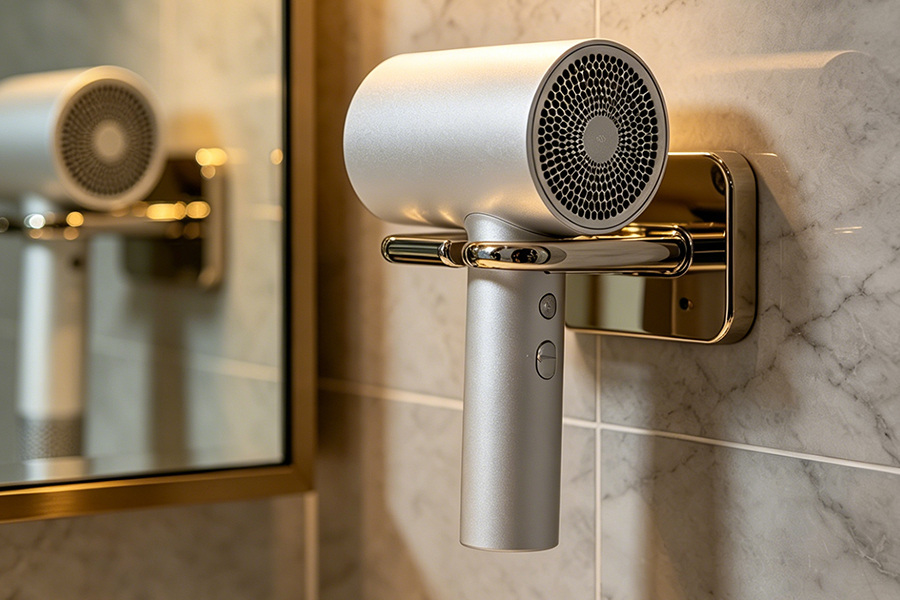
От вентилятора, охлаждающего ваш стол, до вращающейся дрели в мастерской — небольшие электрические машины тихо работают повсюду вокруг нас, и у большинства из них одно и то же бьющееся сердце: двигатель постоянного тока. Как производитель микродвигателей постоянного тока с 1988 года, мы потратили более трех десятилетий на создание этих компактных компонентов для бытовой техники, электроинструментов, автомобильных запчастей и промышленного оборудования. В этом руководстве мы простым языком объясняем, как работает двигатель постоянного тока, с практическим пониманием, которое приходит от производства миллионов единиц каждый год. Что такое двигатель постоянного тока? Двигатель постоянного тока — это устройство, преобразующее электрическую энергию постоянного тока в механическое вращение. Физика, лежащая в ее основе, насчитывает почти двести лет: когда электрический ток протекает через проводник, помещенный в магнитное поле, на этот проводник действует сила. Сверните проводник в катушку, закрепите ее на валу, и сила превратится в вращательное движение. Что делает двигатели постоянного тока настолько широко используемыми, так это их простое поведение. Примените мощность, и вал начнет вращаться; поменяй полярность и он повернется в другую сторону; отрегулируйте напряжение и скорость последует. Эта простота и управляемость объясняют, почему микродвигатели постоянного тока, от компактных корпусов серии 300 до более крупных конструкций серии 900, остаются выбором по умолчанию для небольших устройств. Основные части двигателя постоянного тока Понять рабочий процесс станет намного проще, если вы знаете компоненты, которые делают возможным вращение: Статор: стационарная часть двигателя, обычно оснащенная постоянными магнитами в микродвигателях постоянного тока, которая обеспечивает постоянное магнитное поле. Ротор (якорь): вращающаяся часть, состоящая из проволочных обмоток, намотанных на многослойный железный сердечник и прикрепленных к выходному валу. Коммутатор: сегментированная медная втулка на валу ротора, которая меняет направление тока в обмотках при вращении ротора. Кисти: подпружиненные угольные контакты, которые прижимаются к коммутатору и передают ток от источника питания во вращающийся ротор. Вал и подшипники: детали, передающие крутящий момент на нагрузку и обеспечивающие плавность и стабильность вращения. В небольших коллекторных двигателях статор обычно состоит из постоянных магнитов, а не из катушек возбуждения, что делает двигатель легким, эффективным и экономичным. Наш двигатель RS390 для пылесосов является типичным примером конструкции с постоянными магнитами, обеспечивающей высокую производительность всасывания в компактном корпусе. Как работает двигатель постоянного тока? Шаг за шагом Разобравшись с компонентами, давайте проследим за током через работающий двигатель: Ток поступает в обмотки. Источник питания пропускает постоянный ток через щетки на коммутатор и в обмотки катушки ротора. Магнитные поля взаимодействуют. Катушка под напряжением находится внутри магнитного поля статора, и взаимодействие создает силу на каждой стороне катушки в противоположных направлениях. Крутящий момент создается. Поскольку эти противоположные силы действуют по обе стороны вала, они создают скручивающую силу, известную как крутящий момент, которая запускает вращение ротора. Коммутатор переключает ток. Когда ротор вращается, сегменты коллектора проходят через щетки и меняют направление тока в катушке каждые пол-оборота. Вращение становится непрерывным. Поскольку ток включается точно в нужный момент, магнитная сила продолжает толкать ротор в том же направлении, и вал стабильно вращается до тех пор, пока подается мощность. Сила, стоящая за движением Простой способ изобразить этот эффект — представить себе два магнита, обращенных друг к другу, с проводом с током между ними. Проволока толкается за счет взаимодействия между ее собственным магнитным полем и полем магнитов, и направление этого толчка подчиняется правилу, известному как правило левой руки Флеминга. В двигателе этот толчок действует сразу на каждый виток обмотки якоря, и в результате получается плавный, полезный крутящий момент на валу. Почему коммутатор имеет значение Без коммутации катушка просто вращалась бы до тех пор, пока ее собственное магнитное поле не сравняется с полем статора, а затем остановилась бы. Коммутатор работает как механический переключатель, меняя направление тока, когда ротор проходит половину пути. Это постоянное переворачивание заставляет одну сторону катушки всегда двигаться вперед, что превращает краткий удар силы в непрерывное вращение. Что контролирует скорость и крутящий момент? На практике несколько ключевых переменных определяют, как двигатель постоянного тока ведет себя внутри вашего устройства. Напряжение задает базовую скорость: поднимите его, и двигатель вращается быстрее, опустите его, и двигатель замедлится. Ток отражает рабочую нагрузку: чем интенсивнее работает двигатель, тем больше тока он потребляет, и этот ток напрямую преобразуется в выходной крутящий момент. Механическая конструкция, включая магнитную цепь и любую зубчатую передачу, затем определяет, как скорость и крутящий момент окончательно уравновешиваются на валу. Ключевые рабочие параметры двигателя постоянного тока и то, как каждый из них влияет на реальную производительность. Фактор Влияние на двигатель Типичный пример Приложенное напряжение Скорость увеличивается и падает примерно пропорционально напряжению. Регулировка настроек скорости вентилятора Текущий розыгрыш Более высокая нагрузка требует большего тока, создавая больший крутящий момент. Дрель, работающая по твердой древесине Напряженность магнитного поля Более сильное поле дает больший крутящий момент на ампер. Высокопроизводительные постоянные магниты Редукторная передача Меняет скорость вращения на более высокий выходной крутящий момент Электрические отвертки и замки Когда приложению требуется высокий крутящий момент на низкой скорости, к двигателю обычно добавляется редуктор. Мотор-редукторы соединяют двигатель постоянного тока с редуктором, обменивая скорость вращения на выходной крутящий момент, а это именно то, что нужно электрической отвертке, чтобы надежно закрутить винт без остановки. Производители небольших мотор-редукторов на заказ Компания Hongyang предлагает индивидуальные решения для коробок передач и мотор-редукторов, охватывающие положение выходного вала, передаточное число, скорость двигателя, крутящий момент двигателя и другие параметры. Т... Посмотреть продукт → Щеточный или бесщеточный: два способа создания двигателя постоянного тока Все описанное до сих пор применимо к классическому коллекторному двигателю постоянного тока, в котором щетки и коммутатор обеспечивают механическое переключение. В бесщеточном двигателе постоянного тока используется другой подход: обмотки расположены на статоре, постоянные магниты — на роторе, а электронный контроллер переключает ток между фазами. Удаление изнашиваемых деталей обеспечивает бесщеточным конструкциям более длительный срок службы, более высокую эффективность и более тихую работу, поэтому дроны и прецизионное оборудование все чаще отдают им предпочтение. Компромисс заключается в том, что бесщеточный двигатель нельзя просто подключить к аккумулятору; для работы ему нужна схема драйвера. Параллельное сравнение технологий коллекторных и бесщеточных двигателей постоянного тока. Особенность Матовый двигатель постоянного тока Бесщеточный двигатель постоянного тока коммутация Механический, через щетки и коммутатор. Электронный, через контроллер Продолжительность жизни Ограничено износом щеток. Дольше, без контакта с щеткой Эффективность Умеренный Высшее Шум и электромагнитные помехи Высшее Нижний Стоимость и сложность Простой и экономичный Требуется схема драйвера В отрасли этот сдвиг легко наблюдать. Как мы обсуждали в наша статья о том, почему коллекторные двигатели постоянного тока постепенно заменяются Обе технологии по-прежнему имеют свое место, и правильный выбор зависит от целевых затрат, ожидаемого срока службы и требований к контролю. В частности, для легких и высокоскоростных полетных платформ бесщеточные конструкции трудно превзойти. Где двигатели постоянного тока используются каждый день Как только вы поймете принцип работы, вы начнете замечать двигатели постоянного тока повсюду. Дома они ездят на пылесосах, кофемашинах, фенах, электрических вентиляторах и шторах с электроприводом. В офисе они приводят в действие измельчители бумаги, принтеры и электрические точилки для карандашей. На открытом воздухе они используют газонокосилки, кусторезы и воздуходувки, а в транспортных средствах поднимают окна, запирают двери и регулируют сиденья. В заводских цехах они перемещают роботизированные руки, сортируют посылки и выдают продукцию из торговых автоматов. Мы собрали эти варианты использования наши страницы приложений , где вы можете увидеть, как разные размеры и характеристики двигателей соответствуют различным устройствам. Выбор подходящего двигателя постоянного тока для вашего продукта Для инженеров и покупателей понимание того, как работает двигатель постоянного тока, является первым шагом к выбору правильного двигателя. Начните с определения напряжения питания, требуемого крутящего момента и скорости, допустимого размера, пределов шума и ожидаемого срока службы, а затем сопоставьте эти требования с подходящим семейством двигателей. С 1988 года мы превратились из первого завода по производству микромоторов в Юяо в производителя с более чем 10 производственными линиями и годовой мощностью, превышающей 10 миллионов единиц, предлагающего коллекторные двигатели постоянного тока серий 300 и 900, бесщеточные двигатели и мотор-редукторы, все они производятся в соответствии с сертифицированным управлением качеством ISO 9001 и соответствуют стандартам RoHS и REACH. Если вы разрабатываете продукт, требующий компактной вращательной мощности, наша команда инженеров будет рада помочь вам выбрать или настроить подходящий двигатель, и вы можете в любое время запросить бесплатное ценовое предложение. .article-section p{font-size:16px!important;margin-bottom:12px;}.article-section h2{font-size:22px;font-weight:bold;text-align:left;margin-bottom:12px!important;}.article-section h3{font-size:16px;font-weight:bold;text-align:left;margin-bottom:12px;}.article-section ul{margin-bottom:12px;list-style-type:disc;list-style-position:inside;}.article-section ol{margin-bottom:12px;list-style-type:decimal;list-style-position:inside;padding-left:0;}.article-section li{list-style:inherit;font-size:16px;margin-bottom:6px;}.article-section table{display: table!important;}.article-section thead{display: table-header-group!important;}.article-section tbody{display: table-row-group!important;}.article-section tr{display: table-row!important;}.article-section th{display: table-cell!important;}.article-section td{display: table-cell!important;}.article-section th{font-weight:bold;border:1px solid #cccccc;padding:8px;}.article-section td{border:1px solid #cccccc;padding:8px;text-align: center;}.article-section caption{caption-side:bottom;font-size:16px;margin-bottom:12px;font-style:italic;color:#808080;} .product-card{display:block;margin:20px 0;border:1px solid #e5e7eb;border-radius:10px;overflow:hidden;font-style:normal;background:#fff}.pc-inner{display:flex;text-decoration:none;color:inherit;align-items:center;min-height:120px}.pc-img{width:160px;min-width:160px;aspect-ratio:4/3;height:auto;min-height:120px;object-fit:cover;flex-shrink:0;display:block;align-self:stretch}.pc-body{padding:12px 16px;flex:1;min-width:0;display:flex;flex-direction:column;align-self:stretch;justify-content:center}.pc-title{display:block;font-size:15px;font-weight:600;color:#111;margin:0 0 6px;line-height:1.4}.pc-desc{display:-webkit-box;font-size:13px;color:#6b7280;margin:0 0 8px;line-height:1.5;overflow:hidden;-webkit-line-clamp:2;line-clamp:2;-webkit-box-orient:vertical}.pc-cta{display:block;font-size:13px;font-weight:600;color:inherit;margin-top:auto}.pc-inner:hover .pc-title{text-decoration:underline} .article-section a:not(.pc-inner),article a:not(.pc-inner){color:inherit}.pc-cta{color:inherit!important}
Когда вы видите дрон, стабильно зависающий, или электроинструмент, обеспечивающий постоянный крутящий момент без знакомого искрения щеток, вы наблюдаете за работой бесщеточного двигателя постоянного тока (BLDC). В отличие от своего коллекторного предшественника, в двигателе BLDC полностью отсутствуют физические щетки и коммутаторы. Вместо этого электронный контроллер направляет ток на неподвижные обмотки в точной последовательности, заставляя вращаться постоянные магниты на роторе. Результат: более высокая эффективность, более длительный срок службы, более низкий уровень шума и практически полное отсутствие электрических помех. В этой статье подробно объясняется, как это происходит, почему это важно для вашей продукции и на что следует обращать внимание при выборе двигателя BLDC. Основной принцип: электронная коммутация заменяет щетки Принципиальное различие заключается в том, как переключается магнитное поле. В коллекторном двигателе постоянного тока механические щетки контактируют с вращающимся коллектором, меняя полярность обмоток ротора. Это со временем создает трение, электрические дуги и мусор. В двигателе BLDC обмотки расположены на статоре (неподвижной части), а ротор несет постоянные магниты. Контроллер, часто называемый электронным регулятором скорости (ESC), последовательно подает питание на катушки статора, создавая вращающееся магнитное поле, за которым гоняются магниты ротора. Поскольку для коммутации не требуется физический контакт, износ значительно снижается. Ключевые компоненты Ротор : Содержит постоянные магниты (обычно неодимовые или ферритовые), расположенные попарно. Статор : Дома медные обмотки расположены в пазах, обычно по трехфазной схеме (звезда или треугольник). Контроллер (ESC) : Печатная плата с силовыми МОП-транзисторами, которая переключает постоянный ток на соответствующие обмотки на основе обратной связи по положению ротора. Контроллеру необходимо всегда знать положение ротора, чтобы правильно рассчитать время переключения. Эта обратная связь поступает либо от датчиков Холла, встроенных в статор, либо от бездатчикового обнаружения с использованием обратной электродвижущей силы (обратной ЭДС). Бездатчиковое управление распространено в экономичных и высокоскоростных приложениях, тогда как управление на основе датчиков обеспечивает более плавный запуск и лучший крутящий момент на низких скоростях. Как работает контроллер: мозг, стоящий за движением Давайте пройдем через один электрический оборот трехфазного двигателя BLDC. Контроллер одновременно подает питание на две из трех фаз, оставляя третью фазу плавающей. Например, фаза A положительная, фаза B отрицательная, а фаза C выключена. Возникающее магнитное поле выравнивает ротор. В тот момент, когда ротор достигает этого положения, контроллер переключает: Фаза A положительная, Фаза C отрицательная, Фаза B выключается. Этот процесс повторяется шесть раз за электрический цикл (шестиступенчатая коммутация), обеспечивая непрерывное вращение. Частота переключения определяет скорость двигателя. ESC регулирует рабочий цикл сигнала широтно-импульсной модуляции (ШИМ), чтобы регулировать среднее напряжение и, следовательно, скорость. Высококачественные контроллеры также реализуют передовые алгоритмы, такие как ориентированное на поле управление (FOC), чтобы минимизировать пульсации крутящего момента и повысить эффективность во всем диапазоне скоростей. Почему BLDC превосходит коллекторные двигатели Понимание «почему» поможет вам решить, является ли двигатель BLDC правильным выбором для вашего применения. Наиболее важные преимущества кратко изложены ниже. Сравнение коллекторных и бесщеточных двигателей постоянного тока по ключевым характеристикам Параметр Матовый двигатель постоянного тока Бесщеточный двигатель постоянного тока Эффективность 75–80% типично 85–90% или выше Срок службы (часы без обслуживания) 1000–3000 (износ щеток) 10 000–20 000 (без щеток) Электрический шум/искры Значительный Нет Соотношение крутящего момента к весу Умеренный Высшее (магниты на роторе) Диапазон регулирования скорости Ограниченный Широкий, с точным электронным управлением Тепловыделение Ротор heats (hard to cool) Статор heats (easy to cool) Эти преимущества воплощаются в реальные преимущества: более длительные интервалы технического обслуживания, меньшие требования к батарее при том же времени работы и более тихая работа, что важно для бытовая техника и беспроводные инструменты. Распространенные топологии: Инраннер и Аутраннер Двигатели BLDC выпускаются в двух основных физических конфигурациях, каждая из которых подходит для разных нагрузок. Inrunner : Ротор вращается внутри неподвижного статора. Эта конструкция обеспечивает высокую скорость и низкий крутящий момент, идеально подходит для электроинструментов, насосов и автоматизированное оборудование . Outrunner : Ротор (с магнитами) вращается вокруг статора. Это обеспечивает высокий крутящий момент на более низких скоростях, что идеально подходит для применений с прямым приводом, таких как дроны, электрические вентиляторы и колеса роботов. Для таких приложений, как дроны, где вес и удельная мощность имеют решающее значение, стандартным выбором являются двигатели Outrunner BLDC. Он обеспечивает высокое соотношение крутящего момента к весу, необходимое для стабильного полета и быстрого управления на мультироторных платформах. Обмотки и классы магнитов, изготовленные по индивидуальному заказу, могут быть адаптированы к вашим конкретным требованиям к напряжению и усилию. Практические соображения по выбору двигателей BLDC При интеграции двигателя BLDC в ваш продукт вы оцените такие параметры, как номинальное напряжение (об/мин на вольт), непрерывный и пиковый ток, а также физические размеры. Отсутствие щеток не означает отсутствия технического обслуживания — подшипники по-прежнему требуют уплотнения и смазки в зависимости от окружающей среды. Также обратите внимание, что контроллер является отдельным компонентом; Согласование индуктивности и сопротивления двигателя с частотой переключения ESC имеет решающее значение для эффективности и управления температурой. Глобальный переход от щеток к бесщеткам ускоряется во всех отраслях, как показано в этот отраслевой анализ . Производители признают, что более высокая первоначальная стоимость двигателей BLDC компенсируется более низкой стоимостью срока службы и улучшенной производительностью. Вывод: выберите правильный двигатель для вашего применения. Бесщеточный двигатель постоянного тока заменяет механическую коммутацию электронным управлением, обеспечивая более высокую эффективность, более длительный срок службы и большую гибкость конструкции. Независимо от того, разрабатываете ли вы дрон, медицинское устройство, роботизированную платформу или электрический инструмент, понимание принципа работы поможет вам выбрать правильную топологию двигателя, комбинацию обмоток и контроллера. Имея более чем 30-летний опыт работы с миниатюрными двигателями постоянного тока, мы предлагаем индивидуальные решения BLDC — от прототипа до крупносерийного производства — гарантируя, что ваш продукт получит надежное и эффективное движение, в котором он нуждается. .article-section h2 { font-size: 22px; font-weight: bold; text-align: left; margin-bottom: 12px !important;}.article-section h3 { font-size: 16px; font-weight: bold; text-align: left; margin-bottom: 12px;}.article-section p { font-size: 16px !important; margin-bottom: 12px;}.article-section ul { margin-bottom: 12px; list-style-type: disc; list-style-position: inside;}.article-section ol { margin-bottom: 12px; list-style-type: decimal; list-style-position: inside; padding-left: 0;}.article-section li { list-style: inherit; font-size: 16px; margin-bottom: 6px;}.article-section table { display: table !important;}.article-section thead { display: table-header-group !important;}.article-section tbody { display: table-row-group !important;}.article-section tr { display: table-row !important;}.article-section th { display: table-cell !important; font-weight: bold; border: 1px solid #cccccc; padding: 8px;}.article-section td { display: table-cell !important; border: 1px solid #cccccc; padding: 8px; text-align: center;}.article-section caption { caption-side: bottom; font-size: 16px; margin-bottom: 12px; font-style: italic; color: #808080;} .article-section a:not(.pc-inner),article a:not(.pc-inner){color:inherit}.pc-cta{color:inherit!important}
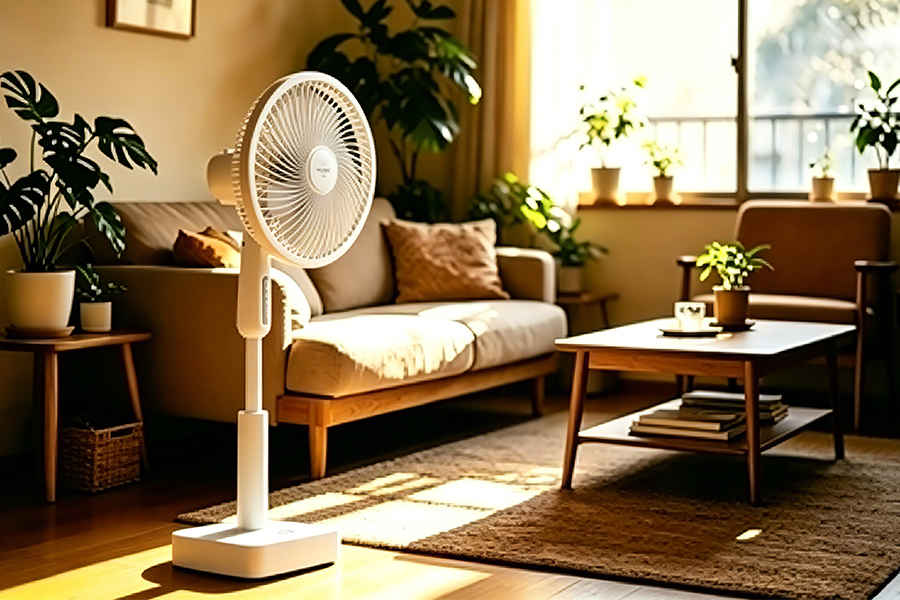
Зал литья пластмасс в августе — хорошее место, чтобы увидеть, чем на самом деле занимается промышленный вентилятор. Тепло собирается у потолка, машины излучают тепло, а для эффективной работы операторам необходим поток воздуха. Вентиляторы, выполняющие эту работу — осевые настенные агрегаты, центробежные вентиляторы и компактные вентиляторы охлаждения внутри шкафов управления — работают по одному и тому же принципу. Промышленный вентилятор преобразует энергию вращения электродвигателя в разницу давления на наборе лопастей. Эта разница давлений перемещает воздух со стороны впуска на сторону выпуска со скоростью, определяемой геометрией лопастей, скоростью вращения и сопротивлением системы, к которой подключен вентилятор. Лопасти ускоряют воздух и создают разницу давления Каждая лопасть вентилятора ведет себя как небольшой аэродинамический профиль. Когда ротор вращается, каждая лопасть ускоряет воздух, который касается ее поверхности, создавая зону низкого давления на задней поверхности и зону более высокого давления на передней поверхности. Воздух всегда следует по пути наименьшего сопротивления, поэтому окружающий воздух движется от входного отверстия к выходному по пути лопасти. Чем быстрее вращаются лопасти и чем круче их наклон, тем больше воздуха движется вентилятор, но тем больше мощности должен обеспечить двигатель. Вот почему конструкцию лопастей и выбор двигателя нельзя рассматривать как отдельные решения. Вентилятор, который хорошо работает на открытом воздухе, разочарует в заводских условиях, если двигатель не сможет поддерживать скорость под нагрузкой, например, когда фильтр перегружен или длинный воздуховод создает противодавление. Осевые вентиляторы против центробежных вентиляторов: два способа перемещения воздуха Промышленные вентиляторы делятся на две физические конструкции. Осевой вентилятор перемещает воздух параллельно валу двигателя, как пропеллер. Он производит сильный поток воздуха при статическом давлении от низкого до среднего, что делает его правильным выбором для настенной вентиляции, потолочной циркуляции и охлаждения больших открытых пространств. Центробежный вентилятор втягивает воздух в центр крыльчатки и выбрасывает его наружу под прямым углом к валу. Такая геометрия создает более высокое статическое давление, поэтому центробежные вентиляторы являются стандартом для систем фильтрации, длинных воздуховодов, а также для удаления пыли или дыма. Компоновка меняет требования к двигателю. Осевые рабочие колеса легче и легко запускаются. Центробежные рабочие колеса имеют большую инерцию, и им может потребоваться двигатель с более высоким пусковым моментом и более прочным подшипником. Осевые и центробежные вентиляторы работают в разных диапазонах давления и расхода воздуха даже при одном и том же размере двигателя. Характеристика Осевой вентилятор Центробежный вентилятор Направление воздушного потока Параллельно валу Наружно, перпендикулярно валу Статическое давление От низкого до среднего От среднего до высокого Объем воздушного потока Высокое при низком давлении Ниже того же размера Типичное использование Настенные вентиляторы, потолочная циркуляция Канальные системы, пылеулавливание Как измеряется производительность вентилятора Когда инженеры сравнивают вентиляторы, они обращают внимание на четыре показателя: воздушный поток, статическое давление, скорость и входную мощность. Расход воздуха в кубических метрах в час (м³/ч) или кубических футах в минуту (CFM) показывает, сколько воздуха перемещает вентилятор. Статическое давление в паскалях или миллиметрах водяного столба показывает, какое сопротивление может преодолеть вентилятор. Скорость в оборотах в минуту (об/мин) определяет скорость кончика лезвия. Входная мощность в ваттах или киловаттах определяет электрическую нагрузку и эксплуатационные расходы. Эти четыре значения связаны веерной кривой. По мере роста статического давления поток воздуха падает. Двигатель должен быть подобран так, чтобы рабочая точка вентилятора оставалась в стабильной области кривой. За пределами этой области вентилятор может глохнуть, чрезмерно вибрировать или потреблять ток выше номинального значения. Эти четыре номинала указаны в технических характеристиках большинства промышленных вентиляторов и определяют мощность приводного двигателя. Параметр Общие единицы Что это означает Воздушный поток м³/ч, CFM Объем воздуха, перемещаемый в час Статическое давление Па, мм H2O Умение преодолевать сопротивление системы. Скорость двигателя об/мин Скорость вращения крыльчатки Входная мощность Вт, кВт Электрическая нагрузка на источник питания Двигатель: где на самом деле решается надежность вентилятора Двигатель определяет, поддерживает ли вентилятор номинальную скорость под нагрузкой, сколько тепла он добавляет в воздушный поток, как долго он работает между интервалами обслуживания и какой ток потребляет конечный продукт. Для компактных промышленных вентиляторов, используемых в холодильных шкафах, вентиляции станков и медицинское автоматизированное оборудование Коллекторный двигатель постоянного тока остается наиболее экономичным вариантом. Он предлагает простое управление скоростью посредством регулировки напряжения, предсказуемый крутящий момент и понятный срок службы. Малый щеточный двигатель постоянного тока RS-360 для воздушных насосов Коллекторный двигатель постоянного тока RS-360/365 отличается компактными размерами и высокой скоростью. Изготовленный из обмоток из чистой меди, он может быть оснащен внутренним охлаждением... Посмотреть продукт → Щеточный двигатель постоянного тока RS360 с высоким крутящим моментом создан специально для работы с вентиляторами. Его характеристика с высоким крутящим моментом позволяет ротору продолжать вращаться с постоянной скоростью, когда лопасть встречает сопротивление — именно это условие делает двигатель недостаточного размера слабым. В вентиляторе двигатель никогда не работает без нагрузки. Он всегда давит на воздух, а воздух отталкивает его. Матовый против бесщеточного: что изменится для вентилятора Основная альтернатива — бесщеточный двигатель постоянного тока. Поскольку коммутация является электронной, нет изнашивающихся щеток, нет угольной пыли внутри корпуса, а интервалы технического обслуживания увеличиваются. Бесщеточные двигатели также более эффективно рассеивают тепло и сохраняют эффективность в более широком диапазоне скоростей, что имеет значение, когда вентилятор работает с переменной скоростью от датчика температуры или контроллера. Бесщеточный двигатель постоянного тока для дрона Бесщеточные двигатели постоянного тока HongYang: расширение возможностей различных сценариев с помощью основных технологий. Будучи профессиональным производителем двигателей, компания HongYang бесщеточные двигатели постоянного тока (BLDC) сочетают в себе ... Посмотреть продукт → Ту же бесщеточную платформу, которую мы поставляем для привода дронов, можно использовать и в промышленном оборудовании, которому требуется тихая, эффективная и непрерывная работа. Компромисс – стоимость и сложность управления. Для простого вентилятора с фиксированной скоростью, работающего от постоянного напряжения, трудно превзойти хорошо сконструированный коллекторный двигатель. Для конструкций с регулируемой скоростью и высокой эффективностью бесщеточная технология окупает дополнительную электронику в течение срока службы оборудования. Практический контрольный список для выбора двигателя вентилятора Инженеры и отделы закупок могут снизить риск отказа на месте, проработав шесть пунктов, прежде чем выбирать двигатель: Подтвердите рабочее напряжение и максимальное потребление тока, допустимое для конечного продукта. Определите диапазон скоростей. Более низкие скорости снижают шум, но также уменьшают поток воздуха. Оцените крутящий момент, необходимый в расчетной точке вентилятора, а не только на холостом ходу. Проверьте рабочий цикл. Вентилятору, который работает 24 часа в сутки, 7 дней в неделю, нужен более холодный двигатель, чем тому, который часто работает. Установите предел шума. Шум отвала увеличивается с увеличением скорости наконечника, но также слышен шум коммутации двигателя. Проверьте тип подшипника и ожидаемый срок службы при рабочей температуре. Наш Страница приложения для электровентилятора показано, как эти параметры двигателя сопоставляются с вентиляторным оборудованием в реальных конструкциях изделий. Надежность начинается внутри корпуса двигателя Когда промышленный вентилятор выходит из строя, он обычно выходит из строя по одному из трех причин: износ подшипников, перегорание двигателя или дисбаланс лопастей. Все три связаны с качеством двигателя. Разбалансированный ротор подвергает подшипники нагрузке. Изоляция, не выдерживающая температуры обмотки, приводит к перегоранию. Щетки, которые изнашиваются неравномерно, вызывают искрение, шум и неустойчивую скорость. Именно поэтому производители вентиляторного оборудования должны оценивать двигатель так же серьезно, как и крыльчатку. Правильно подобранный двигатель обеспечивает воздушный поток, указанный в паспорте, выдерживает условия, для которых он был указан, и обеспечивает бесшумную работу конечного продукта до следующего планового обслуживания. .article-section table{display:table!important;}.article-section thead{display:table-header-group!important;}.article-section tbody{display:table-row-group!important;}.article-section tr{display:table-row!important;}.article-section th{display:table-cell!important;}.article-section td{display:table-cell!important;}.article-section table caption{caption-side:bottom;font-size:16px;margin-bottom:12px;font-style:italic;color:#808080;}.article-section th{font-weight:bold;border:1px solid #cccccc;padding:8px;}.article-section td{border:1px solid #cccccc;padding:8px;text-align:center;}.article-section ol{margin-bottom:12px;list-style-type:decimal;list-style-position:inside;padding-left:0;}.article-section ul{margin-bottom:12px;list-style-type:disc;list-style-position:inside;}.article-section li{list-style:inherit;font-size:16px;margin-bottom:6px;}.article-section h2{font-size:22px;font-weight:bold;text-align:left;margin-bottom:12px!important;}.article-section h3{font-size:16px;font-weight:bold;text-align:left;margin-bottom:12px;}.article-section p{font-size:16px!important;margin-bottom:12px;} .product-card{display:block;margin:20px 0;border:1px solid #e5e7eb;border-radius:10px;overflow:hidden;font-style:normal;background:#fff}.pc-inner{display:flex;text-decoration:none;color:inherit;align-items:center;min-height:120px}.pc-img{width:160px;min-width:160px;aspect-ratio:4/3;height:auto;min-height:120px;object-fit:cover;flex-shrink:0;display:block;align-self:stretch}.pc-body{padding:12px 16px;flex:1;min-width:0;display:flex;flex-direction:column;align-self:stretch;justify-content:center}.pc-title{display:block;font-size:15px;font-weight:600;color:#111;margin:0 0 6px;line-height:1.4}.pc-desc{display:-webkit-box;font-size:13px;color:#6b7280;margin:0 0 8px;line-height:1.5;overflow:hidden;-webkit-line-clamp:2;line-clamp:2;-webkit-box-orient:vertical}.pc-cta{display:block;font-size:13px;font-weight:600;color:inherit;margin-top:auto}.pc-inner:hover .pc-title{text-decoration:underline} .article-section a:not(.pc-inner),article a:not(.pc-inner){color:inherit}.pc-cta{color:inherit!important}

Авторское право © Yuyao Hongyang Micromotor Co., Ltd. Все права защищены.


 Дом
Дом


